
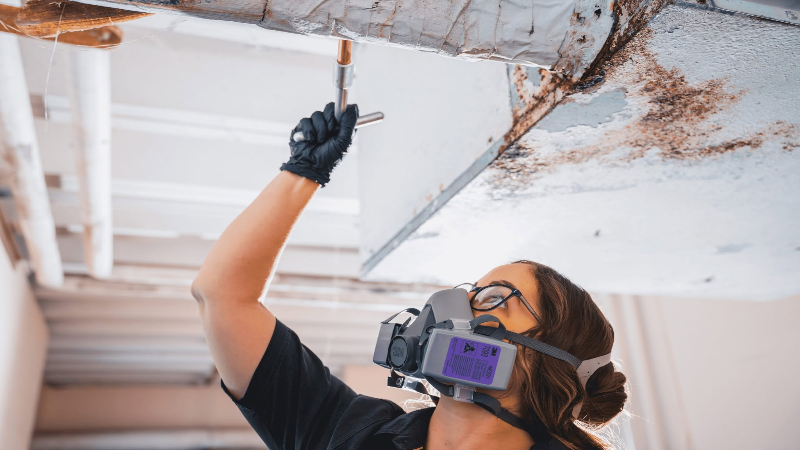
Renovating older buildings can breathe new life into homes and workplaces, but it also brings potential risks—especially when materials containing asbestos are disturbed. Ensuring the safety of occupants and workers after renovations is a top priority, particularly in regions where older construction is common. For those searching for reliable solutions, Asbestos Air Clearance in Louisiana is a critical step in verifying that indoor air quality meets safety standards following any renovation or abatement project involving asbestos.
Understanding Asbestos Air Clearance
Asbestos, once widely used for its insulation and fire-resistant properties, is now known to pose significant health risks if its fibers become airborne. Inhaling these microscopic fibers can lead to severe respiratory conditions, including asbestosis, lung cancer, and mesothelioma. During renovations, especially in buildings constructed before the 1980s, disturbing asbestos-containing materials can release these dangerous fibers into the air.
Asbestos air clearance is a specialized process that involves testing the air for the presence of asbestos fibers after abatement or renovation work. The goal is to ensure that the area is safe for re-occupancy and that no harmful concentrations of asbestos remain.
Why Air Clearance Testing is Essential After Renovation
There are several reasons why air clearance testing is vital after any renovation that may have disturbed asbestos:
• Health Protection: The primary concern is the health and safety of building occupants and workers. Air clearance ensures that no hazardous asbestos fibers linger in the environment.
• Regulatory Compliance: State and federal regulations require strict adherence to asbestos safety standards. Clearance testing provides the documentation needed to demonstrate compliance.
• Peace of Mind: Knowing that your property is free from asbestos contamination allows for safe reoccupation and use of the renovated space.
• Property Value: Ensuring a clean bill of health after renovations can protect or even enhance the value of your property.
The Asbestos Air Clearance Process
The process typically involves several key steps:
1. Visual Inspection: Before air sampling, a thorough visual inspection ensures that all asbestos materials have been properly removed and that the area is clean.
2. Air Sampling: Certified professionals use specialized equipment to collect air samples from various locations within the renovated area.
3. Laboratory Analysis: The samples are analyzed in accredited laboratories to determine if asbestos fiber concentrations are below regulatory thresholds.
4. Clearance Certification: If the area passes inspection and air sampling, a clearance certificate is issued, confirming that the space is safe for re-occupancy.
When Should Air Clearance Be Conducted?
Air clearance testing is recommended after any renovation or abatement project where asbestos-containing materials were present or suspected. This includes:
• Demolition of walls, ceilings, or flooring in older buildings
• HVAC or plumbing upgrades that disturb insulation
• Removal of old roofing or siding materials
Ensuring Ongoing Safety
While clearance testing is crucial post-renovation, ongoing vigilance is equally important. Property owners should maintain records of all asbestos-related work and schedule periodic inspections in buildings with remaining asbestos materials. Regular maintenance and prompt response to potential disturbances will help maintain a safe environment.
In summary, asbestos air clearance plays a pivotal role in post-renovation safety assurance, protecting both health and property value. By investing in professional air clearance testing, property owners in Louisiana can ensure compliance with safety standards and provide peace of mind for occupants. Prioritizing this final step in the renovation process is essential for safeguarding your investment and the well-being of everyone who enters the space.