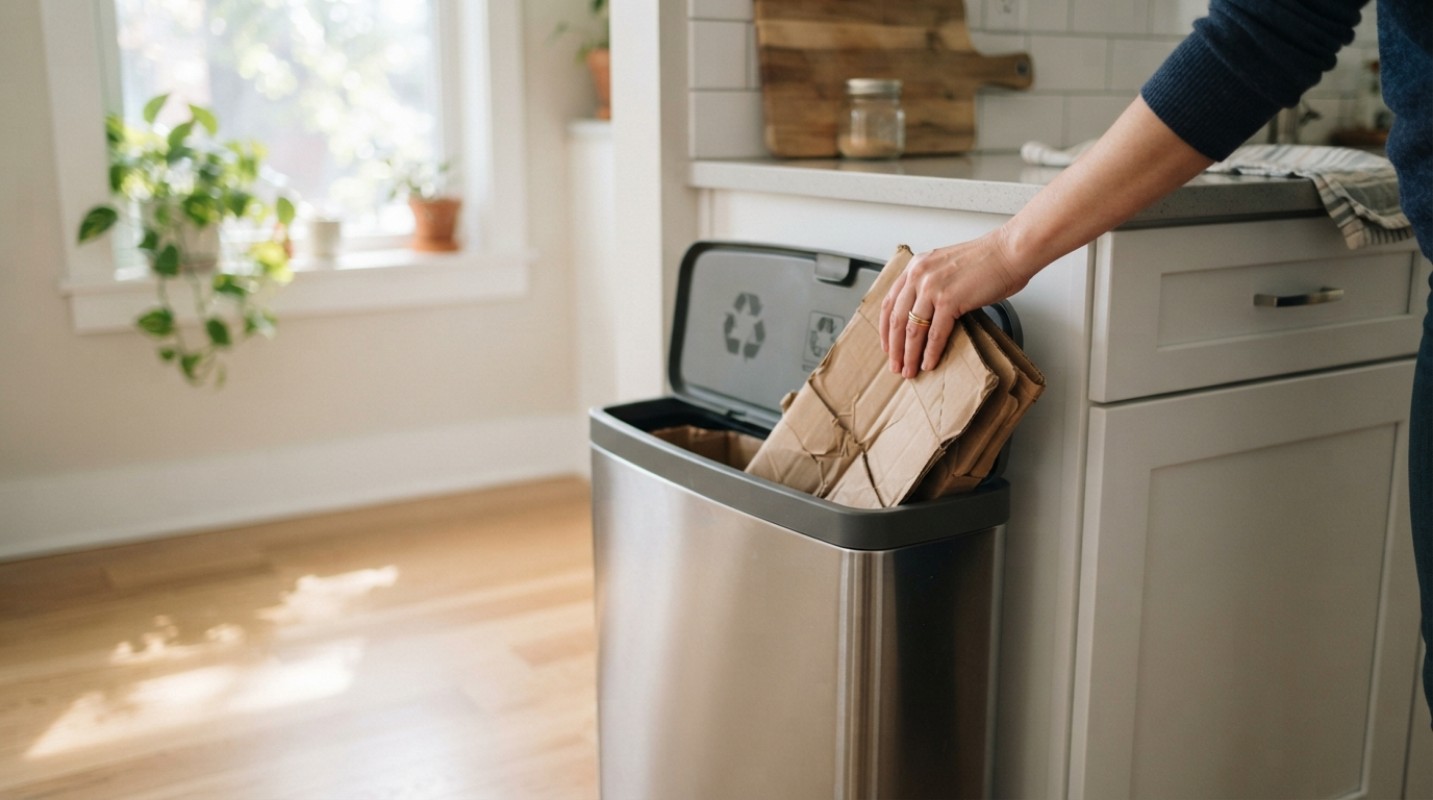
Color-coded and labeled recycling sorting bins reduce contamination, which is a leading reason recyclable materials end up in landfills.
Pairing sorting bins with clear signage and consistent pickup schedules improves participation in homes and businesses across the USA.
Material-specific stations for paper, metal, plastic, and glass streamline processing at recovery facilities.
Recycling sorting bins work best when they separate materials at the source, since mixed loads are harder and more costly to process correctly. Using Recycling Sorting Bins with distinct compartments for paper, plastic, metal, and glass helps households and facility managers cut contamination rates before materials ever reach a sorting center. This source-separation approach is one of the most practical steps a property or business can take toward measurable waste reduction.
Contamination remains one of the biggest obstacles to effective recycling. When food residue, plastic bags, or non-recyclable items mix with clean paper or metal, entire batches can be rejected at processing facilities. According to the EPA, recycling and composting activities support jobs and reduce the need for raw material extraction, making accurate sorting a meaningful part of broader resource conservation efforts.
Setting Up a Multi-Stream Sorting System
A multi-stream setup separates recyclables into dedicated bins rather than relying on a single mixed container. This method reduces the labor and equipment needed at material recovery facilities and improves the quality of recovered materials.
Common categories for a multi-stream system include:
Paper and cardboard, kept dry and free of food contact
Plastics, sorted by resin type where local programs require it
Metal cans and foil, rinsed before disposal
Glass bottles and jars, separated due to breakage risk
Facilities and multi-family properties often benefit from color-coded lids paired with simple icons, since visual cues reduce sorting errors more effectively than text-only labels alone.
Placement and Signage That Improve Participation
Bin location affects how consistently people sort correctly. Placing recycling sorting bins next to general waste containers, rather than in a separate room or outdoor area, tends to increase correct usage because it mirrors the decision point where waste is generated.
Effective signage practices include:
Using simple icons alongside short text
Listing accepted and non-accepted items specifically
Repeating labels at eye level on both the bin and lid
Updating signage when local program rules change
Within the USA, municipal recycling guidelines vary by jurisdiction, so matching bin labels to local accepted-materials lists prevents confusion and reduces contamination at the curb or dumpster level.
Choosing Bin Materials and Sizes for Commercial Use
Outdoor and commercial settings require bins built to withstand weather exposure, frequent handling, and higher volumes than typical residential containers. Durable construction extends service life and keeps sorting systems functional through repeated collection cycles.
Setting
Recommended Bin Type
Key Consideration
Multi-family residential
Color-coded multi-stream bins
High-traffic durability
Office or retail
Slim indoor/outdoor paired bins
Space efficiency
Industrial or warehouse
Heavy-duty outdoor containers
Weather and load resistance
Public parks or walkways
Secured lid, animal-resistant bins
Wildlife and wind protection
Selecting the right size prevents overflow between pickups, which is a common cause of contamination when loose materials blow out or attract pests.
Maintaining Consistency Across Pickup Cycles
Even a well-designed sorting system loses effectiveness without regular maintenance. Bins that are overfilled, damaged, or missing lids tend to accumulate non-recyclable waste over time.
Practical maintenance steps include:
Scheduling pickups based on actual volume rather than a fixed calendar
Inspecting bins periodically for damage or missing signage
Replacing faded labels before they become unreadable
Reviewing contamination rates with the hauling provider when available
Property managers and facility operators across the USA who track these details tend to see fewer rejected loads and more consistent recycling outcomes over time.
Frequently Asked Questions
What is the difference between single-stream and multi-stream recycling sorting bins? Single-stream bins collect all recyclables in one container for later sorting at a facility, while multi-stream bins separate materials like paper, plastic, and glass at the point of disposal, which generally reduces contamination.
How often should outdoor recycling bins be emptied? Pickup frequency depends on volume and location, but bins should be emptied before they overflow to prevent loose materials from scattering or attracting pests.
Do recycling sorting bins need lids? Lids help prevent contamination from rain, wind, and animals, and secured lids are particularly useful for outdoor or public-area bins.
Can commercial properties use the same bins as residential households? Commercial properties typically need larger-capacity, more durable bins designed for higher volume and frequent handling compared to standard residential containers.
Business Info
Outdoor and commercial waste container options, including durable recycling-compatible bins, are listed through Envyrozone for review by facility managers and property operators.
Next Steps
Current container specifications and availability for Envyrozone are published for reference by those planning a sorting system upgrade.