
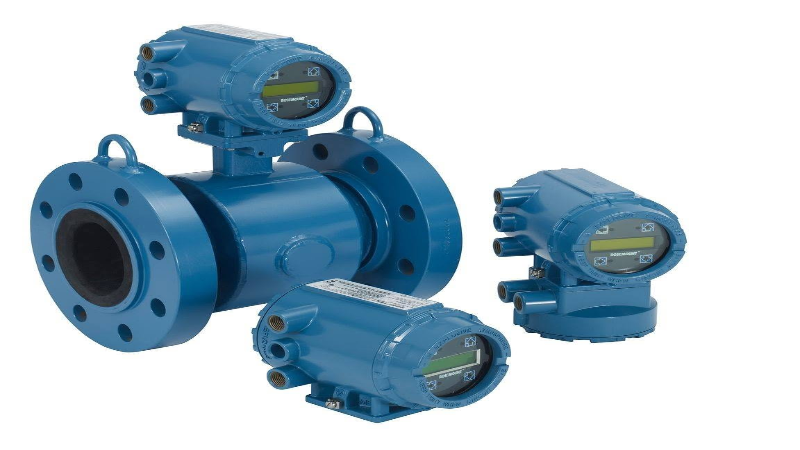
In today’s competitive industrial landscape, maintaining precise control over process variables is crucial to ensuring product quality, operational safety, and cost efficiency. Among these variables, temperature stands out as one of the most critical factors to monitor and control. Whether in chemical manufacturing, oil and gas, food processing, or pharmaceuticals, even minor temperature deviations can result in significant losses or compromised safety. For professionals seeking reliable solutions, the Rosemount Temperature Transmitter is a popular search phrase that often leads to one of the most trusted tools for enhancing both accuracy and reliability in temperature measurement.
The Role of Temperature Transmitters in Industrial Processes
Temperature transmitters serve as the interface between temperature sensors and process control systems. Their primary function is to convert the low-level signals produced by sensors—such as RTDs (Resistance Temperature Detectors) or thermocouples—into standardized signals that can be interpreted by control systems like PLCs (Programmable Logic Controllers) or DCS (Distributed Control Systems). By providing accurate, stable, and noise-resistant outputs, these transmitters play a pivotal role in maintaining process consistency.
Precision: The Foundation of Process Accuracy
Industrial processes often demand tight temperature tolerances to ensure optimal product outcomes and regulatory compliance. The Rosemount temperature transmitter stands out for several reasons:
- Advanced Sensor Compatibility: It supports a wide variety of sensor types, allowing users to select the optimal sensor for their specific application. This flexibility ensures that temperature readings are as accurate as the sensor allows.
- High Accuracy and Stability: State-of-the-art signal conditioning and compensation algorithms minimize errors due to sensor drift, ambient temperature changes, or electrical interference. This results in reliable and repeatable measurements even in challenging environments.
- Digital Communication Protocols: Modern transmitters offer digital outputs such as HART, FOUNDATION Fieldbus, or Profibus, which enable precise data transmission and reduce the chances of signal degradation over long cable runs.
These features collectively help operators detect minute temperature changes, which is vital for processes where even small deviations can have costly implications.
Reliability: Ensuring Consistent Performance
Reliability is just as important as accuracy in industrial automation. Downtime or erratic readings can lead to unsafe conditions, production delays, or wasted materials. Rosemount’s robust design addresses these concerns in several ways:
- Rugged Construction: Engineered to withstand harsh conditions, these transmitters feature robust housings and sealed electronics to protect against moisture, vibration, and corrosive environments.
- Self-Diagnostics: Built-in diagnostic capabilities continuously monitor the health of both the transmitter and the connected sensor. Early detection of faults, such as sensor burnout or wiring issues, enables proactive maintenance and reduces unexpected downtime.
- Long-Term Stability: With minimal drift over time, these transmitters require less frequent recalibration, contributing to lower maintenance costs and improved uptime.
By consistently delivering dependable performance, these transmitters enable operators to trust their temperature data, which is essential for process optimization and safety.
Streamlined Integration and Maintenance
In addition to accuracy and reliability, ease of integration and maintenance are crucial factors. Modern temperature transmitters are designed for seamless installation and straightforward configuration:
- Universal Mounting Options: Flexible mounting solutions accommodate a range of installation scenarios, from direct sensor mounting to remote panel installations.
- User-Friendly Configuration Tools: Intuitive software interfaces simplify device setup, calibration, and troubleshooting, reducing the learning curve for technicians.
- Hot Swapping Capability: Some models allow for replacement without process interruption, further minimizing downtime.
These features make it practical for facilities to upgrade legacy systems and ensure ongoing compliance with evolving industry standards.
Real-World Impact: Efficiency, Safety, and Quality
Implementing high-performance temperature transmitters leads to tangible benefits across multiple dimensions:
- Operational Efficiency: Accurate temperature control optimizes energy usage, reduces waste, and maximizes throughput.
- Enhanced Safety: Reliable temperature monitoring helps prevent dangerous conditions such as overheating or thermal runaway, safeguarding personnel and assets.
- Product Quality: Consistent temperature regulation ensures that products meet stringent quality specifications, reducing the risk of costly rework or recalls.
Final Thoughts
The importance of precise and reliable temperature measurement in industrial processes cannot be overstated. Leveraging advanced transmitters empowers businesses to achieve tighter process control, improve product consistency, and maintain operational safety. By incorporating solutions designed for accuracy, durability, and ease of use, facilities can realize significant improvements in both efficiency and reliability—making them well-equipped to meet the demands of modern industry.