
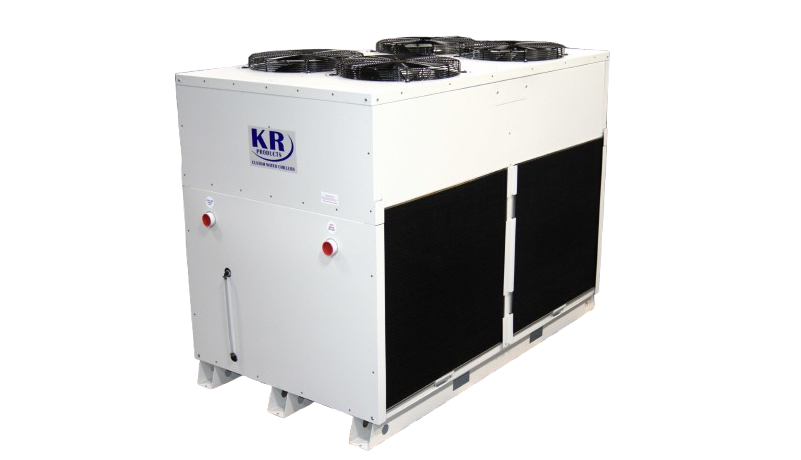
As industries across the United States push for lower operational costs and stronger sustainability practices, the need for highly efficient process cooling systems is growing. Industrial engineers, facility directors, process managers, distributors, brewery operators, and MRI fleet managers are increasingly turning to Packaged Chillers as a dependable, energy-efficient solution designed specifically for process cooling—not for comfort or space cooling.
The Role of Packaged Chillers in Industrial Operations
Packaged chillers are self-contained cooling systems engineered to deliver reliable temperature control for critical industrial processes. Unlike traditional multi-component setups, these industrial-grade units integrate the compressor, condenser, evaporator, and controls into a single factory-assembled package. This makes them ideal for:
-
Fermentation tanks in breweries and wineries
-
Medical imaging equipment such as MRI systems
-
Packaging and food processing machinery
-
General industrial process cooling applications
Because they are delivered as complete systems, packaged chillers significantly simplify installation, reduce setup errors, and provide consistent, repeatable performance required in precision-driven operations.
Key Energy-Efficient Features of Modern Packaged Chillers
Packaged chillers are designed not only to maintain precise temperatures but also to optimize energy consumption. Industry professionals value them for features such as:
• Advanced Digital Controls
Sophisticated microprocessors enable real-time monitoring and fine-tuned regulation of cooling output. This ensures the chiller never uses more energy than necessary for the process load.
• Variable Speed Technology
Variable speed compressors, pumps, and fans adjust automatically to match demand—reducing energy usage during partial-load conditions common in industrial processes.
• High-Efficiency Heat Exchangers
Improved heat exchanger designs maximize thermal transfer, allowing chillers to maintain stable temperatures without excessive power draw.
• Compact, Integrated Design
A single packaged unit reduces piping length, wiring needs, and potential thermal losses, all of which contribute to better system efficiency.
How Packaged Chillers Lower Operational Costs
Beyond energy savings, packaged chillers provide industrial operations with major cost advantages:
1. Lower Installation Costs
Because all components arrive pre-engineered and factory-assembled, installation is faster, easier, and less labor-intensive compared to building a chiller system piece by piece.
2. Reduced Maintenance Requirements
Packaged chillers are fully tested before shipping. Their integrated design makes servicing streamlined, lowering downtime and minimizing expensive emergency repairs.
3. Optimized Load Management
Real-time responsiveness enables the system to operate only as much as required for process stability—resulting in substantial long-term savings for facility managers.
Environmental Benefits and Compliance
Energy-efficient packaged chillers help companies:
-
Reduce electricity usage
-
Lower greenhouse gas emissions
-
Utilize eco-friendly refrigerants
-
Meet or exceed industrial energy codes and sustainability mandates
For industries pursuing greener operations—or seeking compliance with federal/state efficiency standards—packaged chillers represent a practical way to support sustainability without compromising performance.
Choosing the Right Packaged Chiller for Your Industrial Facility
Selecting the correct system requires evaluating:
-
Process cooling load requirements
-
Flow rates and temperature ranges
-
Environmental conditions
-
Equipment integration needs
-
Future scalability
Working with an experienced industrial cooling partner ensures proper sizing, commissioning, and long-term efficiency.
For industrial engineers, facility directors, distributors, brewery operators, and MRI fleet managers, Packaged Chillers offer a powerful combination of reliability, precision cooling, and energy savings. Purpose-built for industrial processes—not comfort cooling—these systems help reduce operational costs, support sustainability goals, and deliver consistent performance where precision temperature control is essential.