
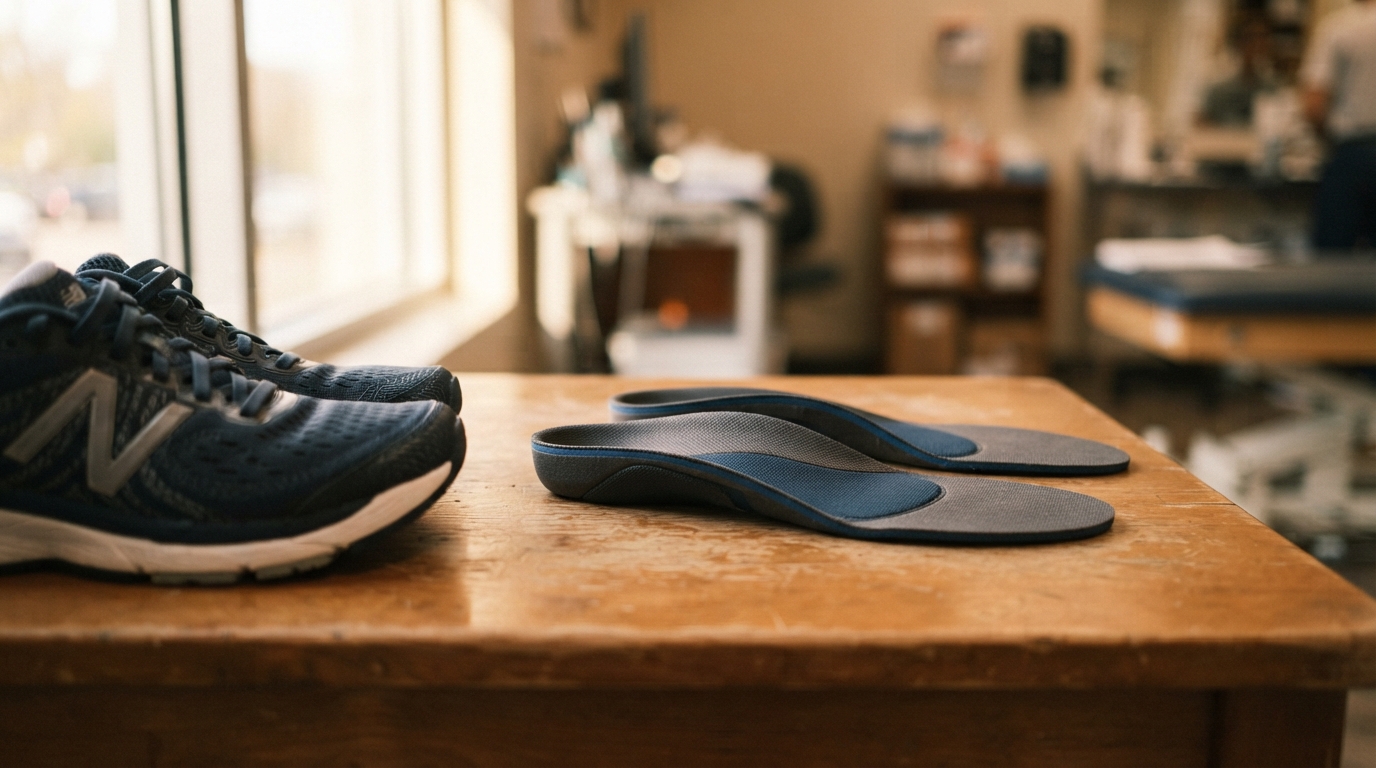
• Custom orthotics correct foot alignment and pressure distribution, while over-the-counter inserts offer temporary, generic cushioning.
• A podiatric evaluation identifies the biomechanical cause of foot or heel pain before any device is recommended.
• Orthotics Fulshear TX options range from off-the-shelf supports to fully custom-molded devices designed for specific gait patterns.
Foot pain that lingers after rest, changes in footwear, or basic stretching often points to a structural issue that generic insoles cannot fix. Choosing the right support device means understanding the difference between mass-produced cushioning and devices built from an individual foot assessment. For residents searching for Orthotics Fulshear TX, the decision typically comes down to matching the device type to the specific condition causing discomfort.
(Fulshear Foot and Ankle)[https://fulshearfootandankle.com/service/orthotics/] and similar podiatric practices evaluate gait, arch structure, and pressure points before recommending a device, since the wrong type of support can prolong recovery rather than speed it.
Custom Orthotics Versus Over-the-Counter Inserts
The most common comparison patients make is between drugstore insoles and prescription orthotics. Each serves a different purpose depending on the severity and cause of the pain.
• Over-the-counter inserts : Generic shapes, limited arch options, best for mild, short-term discomfort.
• Custom orthotics : Molded from an impression or scan of the individual foot, designed to correct specific alignment issues.
• Semi-custom devices : A middle option with adjustable arch supports for moderate symptoms.
|
Feature |
Over-the-Counter Inserts |
Custom Orthotics |
|
Fit |
Generic sizing |
Molded to individual foot |
|
Best for |
Mild, temporary discomfort |
Chronic or structural conditions |
|
Lifespan |
Months |
Often one to several years with proper care |
|
Clinical evaluation required |
No |
Yes |
According to the American Podiatric Medical Association, orthotic devices are used to address biomechanical foot disorders and should be fitted based on an individual’s specific foot structure and walking pattern. This distinction matters because a device that does not match the underlying issue can shift pressure to another part of the foot or leg.
When a Podiatric Evaluation Makes a Difference
Not every case of foot discomfort requires a custom device, but certain signs suggest a clinical assessment is worthwhile before purchasing any insert.
1. Pain persists for more than two to three weeks despite rest and supportive footwear.
2. Discomfort is localized to the heel, arch, or ball of the foot during specific activities.
3. One foot shows visibly different wear patterns on shoes compared to the other.
4. Pain radiates upward into the ankle, knee, or lower back.
A clinical gait analysis typically involves watching how a patient walks or stands, checking for pronation or supination, and sometimes taking a mold or scan of the foot. This process identifies whether the root cause is structural, such as flat feet or high arches, or related to another condition like plantar fasciitis.
Fitting Process and What to Expect
The path from initial complaint to a finished device generally follows a consistent sequence, regardless of the provider.
• Initial consultation : Discussion of symptoms, footwear habits, and activity level.
• Physical examination : Checking range of motion, arch height, and pressure points.
• Casting or scanning : Creating a mold or digital scan of the foot for custom devices.
• Fabrication : The orthotic is built off-site based on the captured measurements.
• Fitting and adjustment : A follow-up visit to confirm comfort and make modifications if needed.
This process can take several weeks from the first visit to receiving a finished device, since custom orthotics are manufactured individually rather than pulled from a shelf. Patients should expect a short adjustment period as the foot adapts to the new alignment.
Maintaining Orthotic Effectiveness Over Time
Even a well-fitted device loses some effectiveness if it is not cared for properly or if the patient’s foot structure changes.
• Rotate orthotics between multiple pairs of shoes rather than one single pair.
• Inspect the device periodically for visible wear, cracking, or flattening of the arch support.
• Schedule a reassessment if weight, activity level, or symptoms change significantly.
• Clean according to the manufacturer’s or provider’s care instructions to avoid material breakdown.
Replacing a device at the right interval matters because worn orthotics can gradually stop correcting the original alignment issue, allowing symptoms to return.
Frequently Asked Questions
How long does it take to get used to new orthotics? Most patients need one to two weeks of gradual wear to adjust, starting with a few hours per day before moving to full-time use.
Can orthotics be used in any type of shoe? Custom devices are typically designed for a specific shoe category, such as athletic, dress, or work footwear, so the shoe type should be discussed during fitting.
Do orthotics eliminate the need for other treatments? Orthotics address alignment and pressure distribution, but they are often combined with stretching, footwear changes, or physical therapy for full symptom relief.
Is a prescription required for custom orthotics? Custom devices generally require an evaluation and casting by a qualified provider, since the design depends on individual foot measurements.
Selecting the right type of support device starts with understanding why the pain exists in the first place, not simply picking the most expensive option available. A structured evaluation, whether for a mild arch complaint or a long-standing gait issue, gives a clearer picture of which device category fits the situation. Residents comparing options can review services through Fulshear Foot and Ankle to understand how a fitting process works before committing to a specific orthotic type.