
• Heel pain is most often caused by plantar fasciitis and typically responds to conservative, staged care rather than surgery.
• Treatment usually starts with stretching, footwear changes, and orthotic support before advancing to injections or shockwave therapy.
• Local evaluation helps rule out other causes, such as heel spurs or stress fractures, before starting a treatment plan.
Persistent heel pain in the morning or after rest is most commonly a sign of plantar fasciitis, and the right combination of stretching, supportive footwear, and targeted therapy resolves most cases without surgery. Understanding which conservative options fit your specific symptoms is the first step toward lasting relief.
Anyone searching for Heel Pain Treatment Cypress TX is usually dealing with sharp or aching pain along the bottom of the heel, especially with the first steps of the day. This pattern is a hallmark of plantar fasciitis, though other conditions can produce similar symptoms. A podiatric evaluation helps confirm the diagnosis before committing to a treatment path.
Cypress Foot & Ankle Center (view business profile) is a Cypress, Texas podiatry practice that treats a range of foot and ankle conditions.
What Causes Heel Pain and How It Is Diagnosed
Plantar fasciitis develops when the band of tissue supporting the arch becomes irritated from repetitive stress, tight calf muscles, or unsupportive footwear.
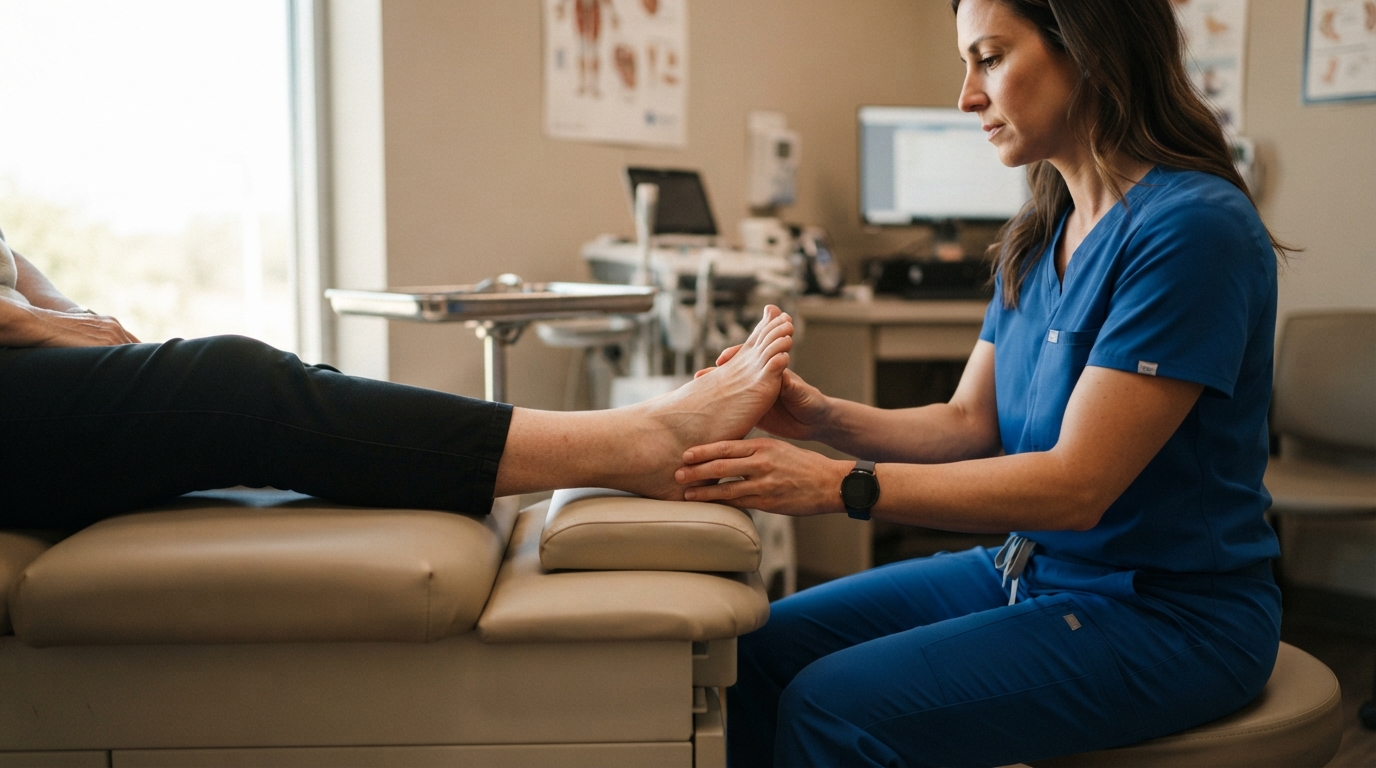
Clinicians typically confirm the diagnosis through a combination of methods:
• Patient history focused on when and how pain occurs
• Physical exam, including palpation and a windlass test for the plantar fascia
• Weight-bearing X-rays when chronic pain does not respond to initial care
• Ultrasound imaging in select cases to check fascia thickness
According to research published in the Journal of Orthopaedic & Sports Physical Therapy, plantar heel pain is an umbrella term that may represent several different diagnoses, including not only plantar fasciitis but heel fat pad syndrome, heel spur syndrome, nerve irritation, and calcaneal stress fracture. This is why a proper exam matters before starting treatment, since clinicians should assess for other diagnostic classifications when symptoms are not resolving with interventions aimed at typical impairments.
Conservative Treatment Options for Heel Pain
Most heel pain cases improve with staged, nonsurgical care. A 2025 clinical review in Cureus outlined a framework that categorizes treatments into initial therapies, intermediate therapies, specialized therapies, and last-resort surgical therapies.
Common conservative approaches include:
1. Stretching and manual therapy targeting the plantar fascia and calf muscles
2. Footwear changes to reduce strain on the arch and heel
3. Orthotic support , whether over-the-counter inserts or custom devices
4. Night splints for morning stiffness and pain
5. Taping techniques for short-term symptom relief
Clinical guidelines note that clinicians should use plantar fascia-specific and gastrocnemius and soleus stretching to provide short- and long-term pain reduction, as well as to improve function and disability. Orthotics are most effective as part of a broader plan rather than a stand-alone fix, since guidance states that clinicians should not use orthoses as an isolated treatment for short-term pain relief, but may use them when combined with other treatments.
Comparing Common Heel Pain Interventions
|
Treatment |
Typical Use |
Timeframe |
|
Stretching and manual therapy |
First-line, most cases |
Ongoing, daily routine |
|
Orthotics (OTC or custom) |
Combined with other care |
Weeks to months |
|
Night splints |
Morning pain and stiffness |
1 to 3 months |
|
Taping |
Short-term flare relief |
Days to weeks |
Treatment selection depends on symptom duration, activity level, and how the foot responds to initial care. A staged approach, starting conservative and escalating only if needed, aligns with current clinical practice.
When to Seek a Podiatric Evaluation
Heel pain that persists beyond a few weeks of home care, or that limits walking and daily activity, warrants a professional exam. Warning signs include:
• Pain that worsens rather than improves with rest
• Swelling, bruising, or visible deformity
• Numbness or tingling into the foot
• Pain following a specific injury rather than gradual onset
A podiatric visit allows for imaging when needed and a treatment plan matched to the specific cause of pain, rather than a generic approach.
Frequently Asked Questions
How long does plantar fasciitis heel pain typically take to improve? Recovery timelines vary by individual, but conservative treatments such as stretching and supportive footwear are often continued for several weeks to a few months before reassessment.
Can heel pain go away without treatment? Mild cases sometimes improve with rest and footwear changes alone, but persistent or worsening pain generally benefits from a structured evaluation and treatment plan.
Is heel pain always plantar fasciitis? No. Heel pain can also stem from heel spurs, fat pad irritation, nerve issues, or stress fractures, which is why an exam helps confirm the correct diagnosis.
Do orthotics cure heel pain on their own? Orthotics are generally most effective when combined with stretching, footwear changes, and other conservative measures rather than used alone.
Heel pain rarely has a single fix, and the most reliable path to relief comes from an accurate diagnosis followed by a treatment plan built around the specific cause. Residents dealing with ongoing heel discomfort in Cypress can consult Cypress Foot & Ankle Center for an evaluation and a plan suited to their symptoms and activity level.