
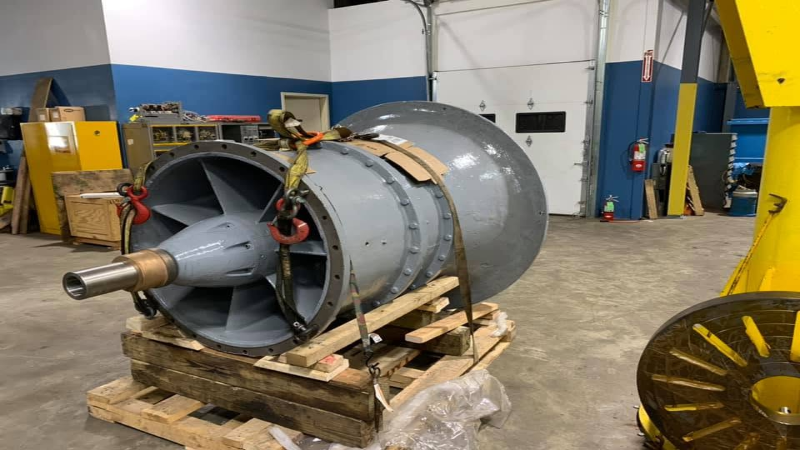
In today’s commercial real estate landscape, building owners and facility managers face increasing pressure to reduce energy consumption and operating costs. As sustainability and efficiency become central to business strategies, the demand for innovative solutions to optimize building systems continues to rise. For those searching for advanced pumping technology that supports these goals, Wilo Pumps New York emerges as a popular option to help commercial buildings achieve superior energy performance.
The Role of Pump Systems in Commercial Energy Efficiency
Pump systems are essential to the operation of heating, cooling, and water distribution in commercial buildings. These systems are responsible for moving water and other fluids through HVAC networks, plumbing, and fire protection systems. Traditional pumps, however, often run at fixed speeds, consuming more energy than necessary, particularly during periods of low demand. This inefficiency leads to higher utility bills and unnecessary strain on building infrastructure.
Advanced Pump Technology for Modern Buildings
Modern pumping solutions are engineered to address these inefficiencies by incorporating smart controls and variable speed drives. By automatically adjusting pump output based on real-time demand, these systems can significantly reduce energy usage. Key features that contribute to improved efficiency include:
- Variable Speed Control: Pumps equipped with variable frequency drives (VFDs) adjust their speed to match building requirements, preventing energy waste when full capacity is not needed.
- Integrated Sensors and Automation: Smart sensors monitor system conditions and automatically adapt pump operation, ensuring optimal performance and reducing manual intervention.
- High-Efficiency Motors: Advanced motor designs minimize electrical losses, further lowering energy consumption.
- Remote Monitoring and Diagnostics: Many modern pumps offer remote access, allowing facility teams to track performance, identify issues early, and optimize settings for peak efficiency.
Benefits Beyond Energy Savings
Implementing advanced pump technology in commercial buildings offers several advantages beyond just lower energy bills. These benefits include:
- Extended Equipment Lifespan: By operating only as needed, pumps experience less wear and tear, reducing maintenance costs and extending service life.
- Improved Comfort and Indoor Air Quality: Efficient water circulation ensures consistent temperatures and better humidity control, enhancing occupant comfort.
- Reduced Carbon Footprint: Lower energy consumption translates directly into reduced greenhouse gas emissions, supporting corporate sustainability objectives.
- Compliance with Regulations: Energy-efficient pump systems help buildings meet local energy codes and qualify for green building certifications.
Actionable Steps for Facility Managers
For facility managers considering an upgrade, a few practical steps can maximize the impact of advanced pump systems:
- Conduct an Energy Audit: Assess existing pump systems to identify inefficiencies and areas for improvement.
- Select the Right Pump Technology: Choose pumps with variable speed capabilities, advanced controls, and high-efficiency motors.
- Partner with Qualified Professionals: Work with experienced technicians for proper installation and commissioning to ensure optimal system performance.
- Implement Ongoing Monitoring: Use remote diagnostics and regular maintenance to keep systems running efficiently over time.
Enhancing Building Performance with Smart Pump Solutions
By embracing advanced pump technology, commercial buildings can achieve significant improvements in energy efficiency, operational reliability, and occupant satisfaction. Upgrading to modern, intelligent pump systems not only lowers utility costs but also aligns with broader sustainability and regulatory goals. As the commercial real estate sector continues to evolve, investing in smart pumping solutions is a practical and impactful way to ensure long-term building performance and environmental responsibility.