
Home renovations are an exciting opportunity to refresh your living space, improve functionality, and increase property value. However, before you start tearing down walls or replacing floors, it’s essential to address potential issues that could impact your renovation plans and your family’s health. One critical step many homeowners overlook is scheduling a professional mold inspection. If you’re searching for “Mold Inspection in Macon, GA,” you’re likely concerned about the possibility of mold in your home and want to ensure a safe, successful renovation process.
Why Mold Inspections Matter Before Renovations
Mold can thrive in hidden areas of your home, especially in regions with humid climates or a history of water damage. Renovating without first addressing mold issues can worsen the problem, spread spores, and even lead to costly repairs down the road. Understanding the signs that indicate the need for a mold inspection can save you time, money, and stress.
Key Signs You Need a Mold Inspection
Here are some common signs that suggest a mold inspection is necessary before starting any renovation project:
1. Previous Water Damage
If your home has experienced flooding, leaking pipes, roof leaks, or any form of water intrusion, there’s a heightened risk of mold growth. Even if repairs were made, moisture trapped in walls, floors, or ceilings can create ideal conditions for mold to develop over time.
2. Visible Mold Growth
Sometimes, mold is easy to spot. Look for:
Black, green, or white patches on walls, ceilings, or floors
Discoloration or staining, especially in corners or near plumbing fixtures
Fuzzy or slimy textures on surfaces
Visible mold, even in small amounts, often indicates a larger hidden problem.
3. Persistent Musty Odors
A musty, earthy smell is a classic indicator of mold growth. If you notice this odor, especially in basements, bathrooms, or other damp areas, it’s wise to arrange for a professional inspection before renovating.
4. Unexplained Health Symptoms
Mold exposure can cause a range of health issues, particularly for individuals with allergies, asthma, or weakened immune systems. Symptoms to watch for include:
- Sneezing, coughing, or nasal congestion
- Eye, nose, or throat irritation
- Headaches or fatigue
- Worsening asthma symptoms
If these symptoms seem to improve when you leave the house, mold could be the culprit.
5. High Humidity or Condensation
Consistently high indoor humidity (above 60%) or frequent condensation on windows and walls signals excess moisture—an environment where mold can thrive. Investing in a mold inspection can pinpoint hidden trouble spots before renovations begin.
6. Age of the Property
Older homes, especially those without modern waterproofing or ventilation, are at a greater risk for hidden mold problems. If your property is several decades old, a thorough inspection is a smart precaution.
Taking Action Before Renovation
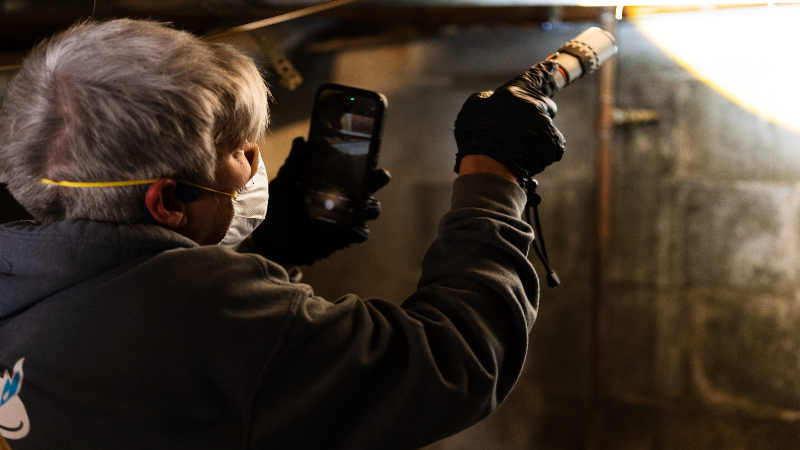
Scheduling a mold inspection before starting renovations not only protects your investment but also ensures the safety of your family. Professional inspectors use specialized equipment to detect hidden mold and moisture, providing a clear assessment and recommendations for remediation if needed.
In summary, several signs indicate you should schedule a mold inspection before beginning any home renovation project, including previous water damage, visible mold, persistent musty odors, unexplained health symptoms, high humidity, and the age of your property. Addressing these warning signs early can help you avoid health risks, additional expenses, and delays in your renovation timeline. Prioritize a mold inspection to create a healthy, safe, and successful renovation experience.